
Resources
Our website offers a growing library of resources designed to inform, empower, and uplift system-impacted youth, young adults, and advocates. Visitors can explore practical toolkits, in-depth articles, and powerful op-eds that center lived experience and community wisdom. We also highlight peer-reviewed research that strengthens the case for change, along with podcast features and media conversations that amplify our stories and solutions. Together, these resources create an accessible hub for learning, healing, and taking action toward justice.
Tools & Policy Briefs
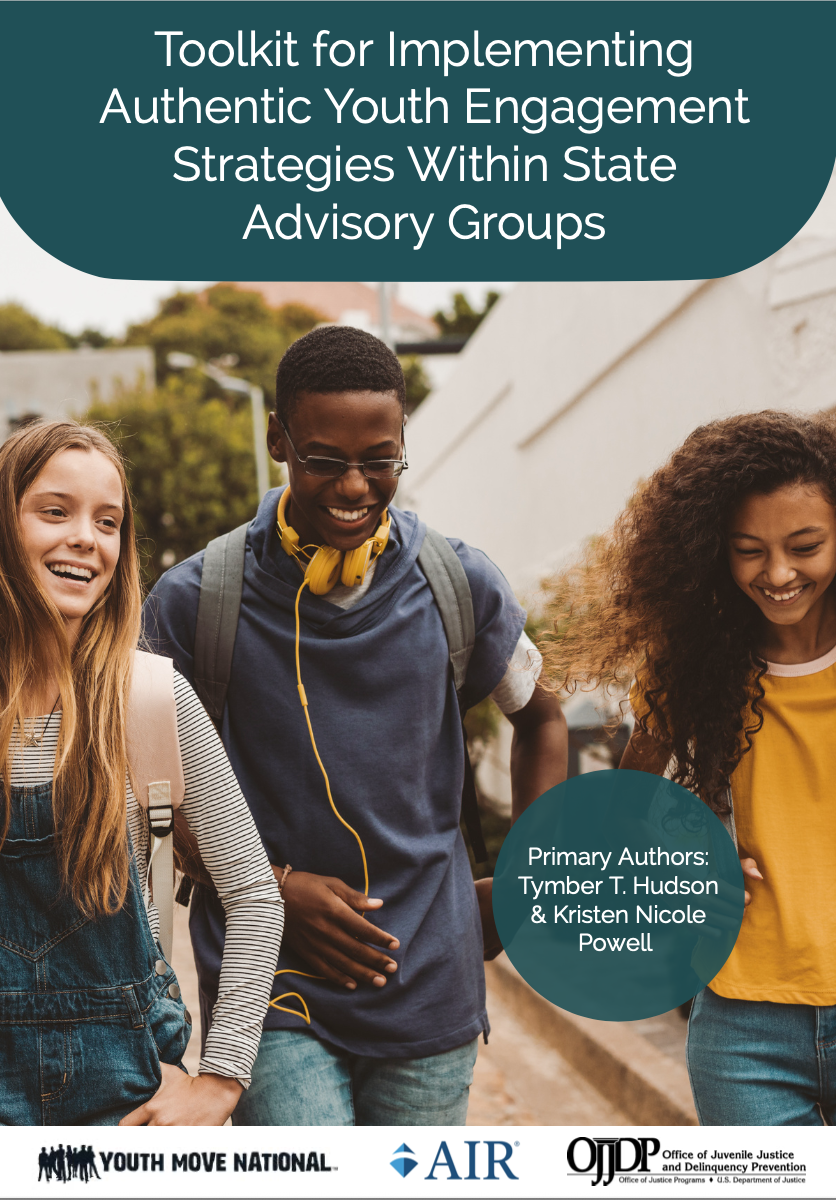
Toolkit for Implementing Authentic Youth Engagement Strategies Within State Advisory Groups
This toolkit offers practical guidance for implementing authentic youth engagement within State Advisory Groups (SAGs), especially those connected to the juvenile justice system. It includes strategies and tools for recruiting and retaining youth members, building youth–adult partnerships, supporting justice-impacted and marginalized young people, and assessing SAG readiness through checklists and reflection tools (like Hart’s Ladder and DEI/belonging analyses).
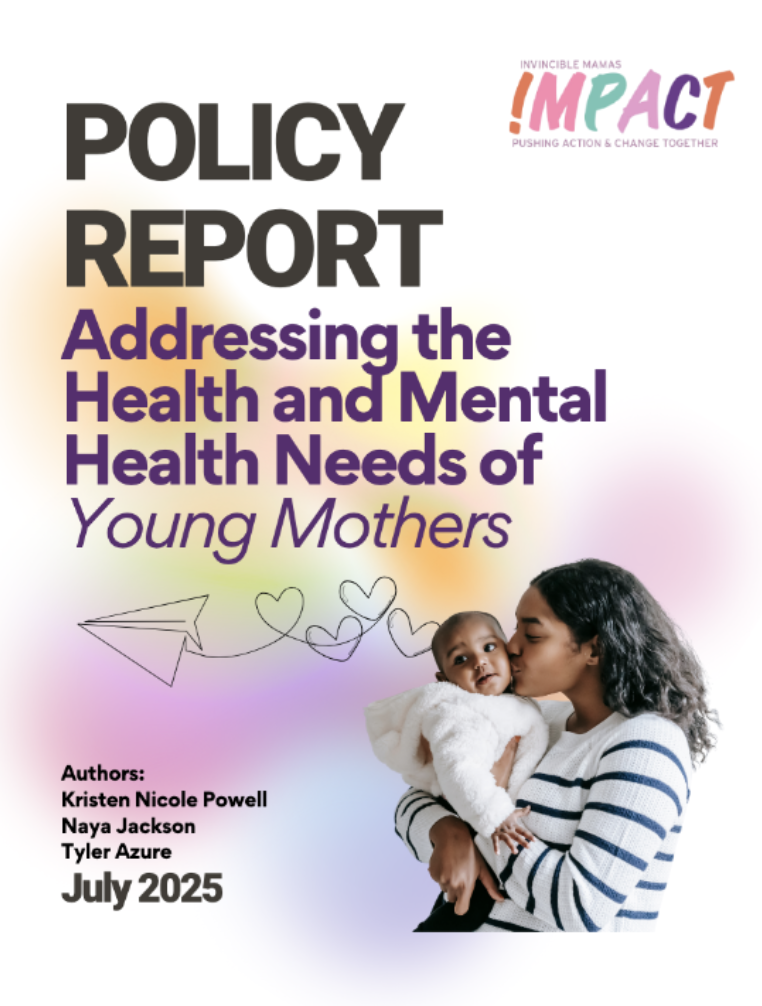
Policy Report: Addressing the Health and Mental Health Needs of Young Mothers
Following the 2024 elections, we knew it was time to gather—time to speak our truths, name our needs, and lead with our lived experience. On November 12, 2024, we came together for a Post-Election Virtual Summit: Young Mamas Pushing Action for Change Together, hosted by IMPACT (Invincible Mamas Pushing for Action and Change Together), an initiative of Justice and Joy National Collaborative. This wasn’t just another summit. It was a movement in motion—a space created by young mamas, for young mamas.
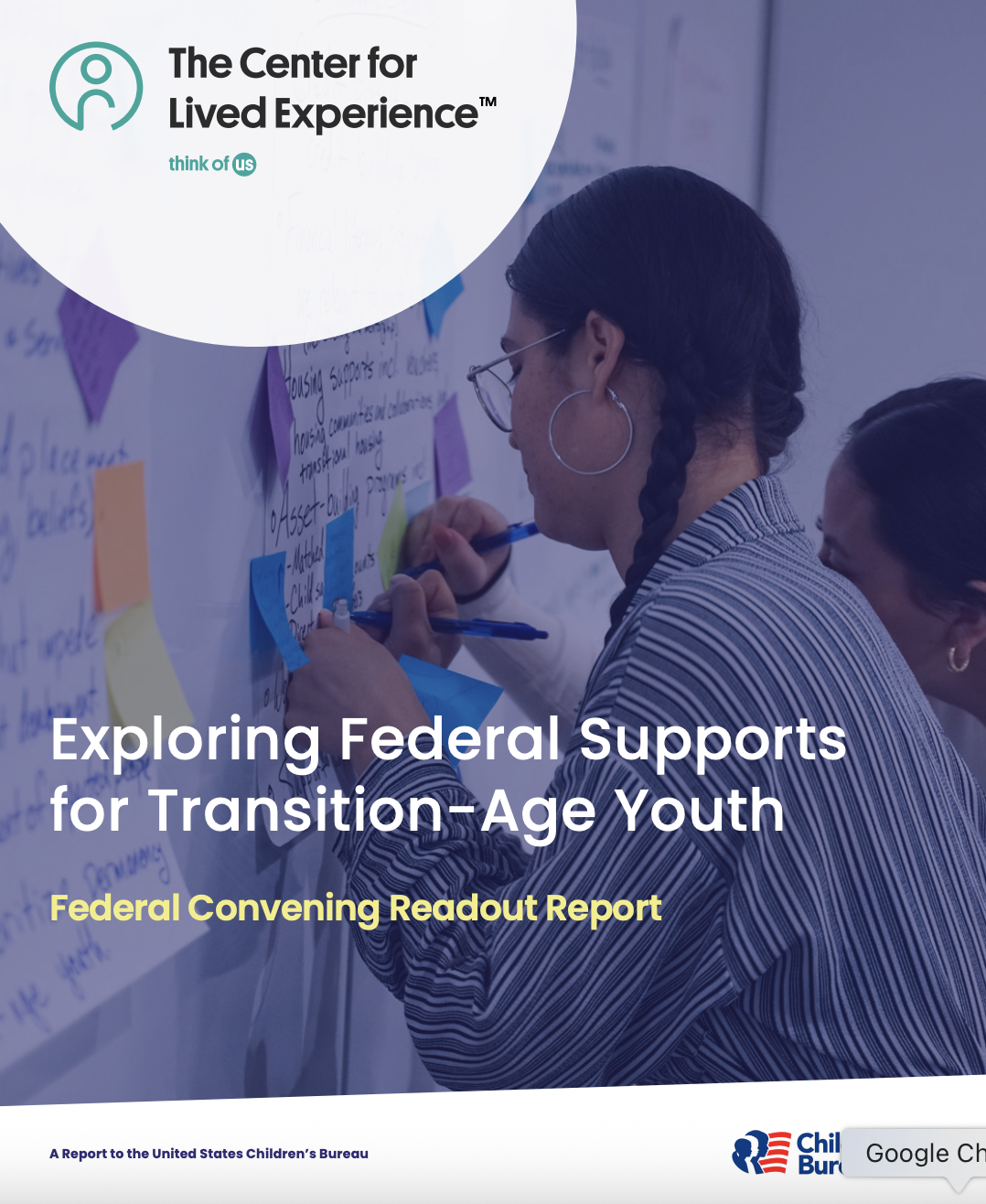
Exploring Federal Supports for Transition-Age Youth Federal Convening Readout Report
This convening reflects an effort to craft a new policy paradigm, one in which we move beyond simple engagement and toward full integration of lived experience in the policy process. We believe this endeavor builds on the tireless efforts of trailblazing organizations and individuals who fight to give impacted communities a seat at the table and moves us a step closer to an ethos of policymaking in which those with lived experience are seen as partners in the process, not simply as early inputs.
Op-Eds & Blogs
Breaking Cycles: Motherhood, Advocacy, and the Fight for a Better Future
Bing a mother has always been something I wanted, but for reasons I’ve only recently begun to fully understand. When I was younger, I thought having a child would give me someone who would love me unconditionally — a love I craved but felt I never had.
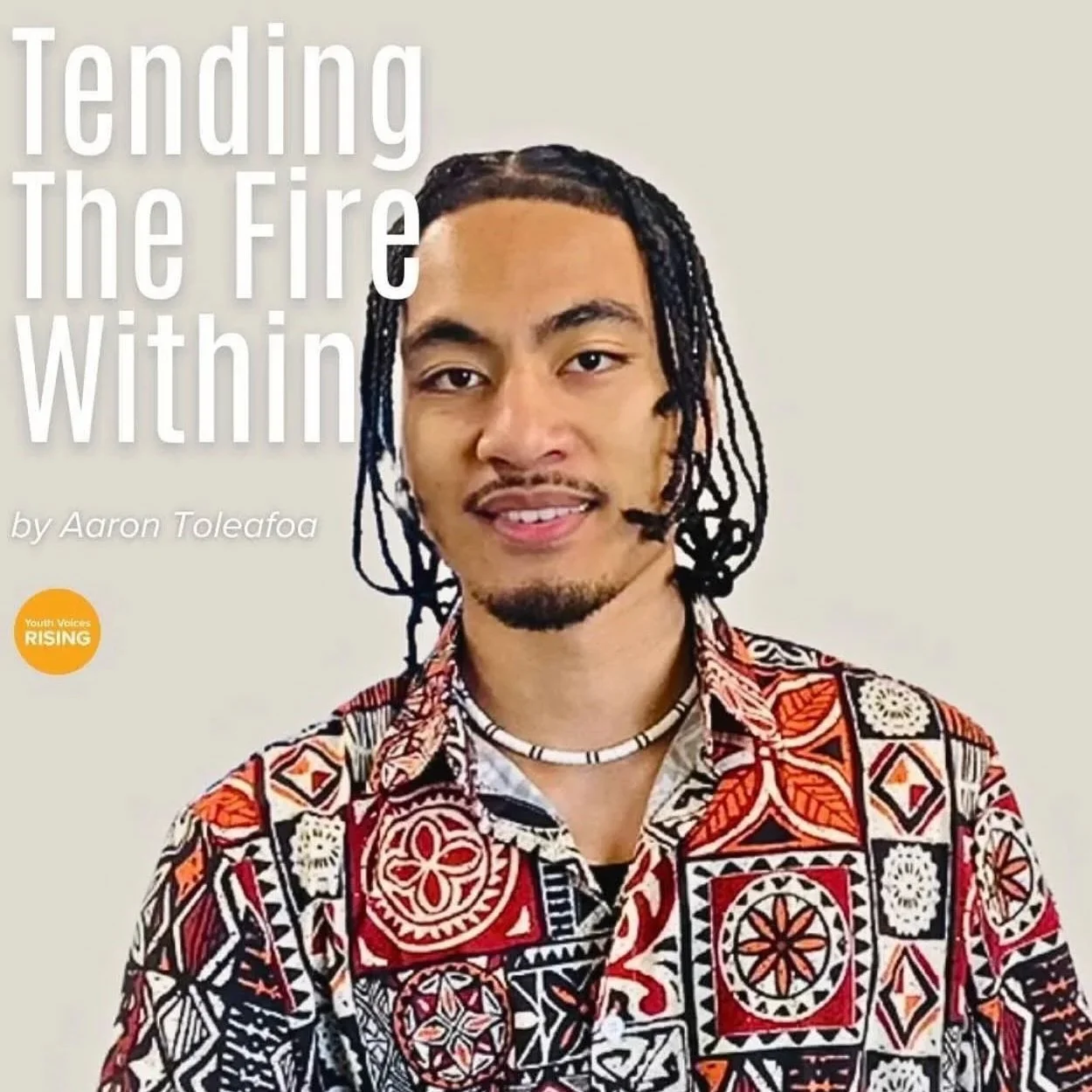
Tending The Fire Within
Young advocates can be much more emotionally invested in advocacy work because of their lived experience. The light that burns inside of us started from a spark. But, if we’re not careful, that same spark could turn into a wildfire. A lot of us have experienced violence, abuse, a lack of love, or insufficient community support both inside and outside of the child welfare system. Without proper support, the impact of these experiences can manifest in multiple ways, such as substance abuse and mental health disorders. When we go straight into advocacy work while we are still surviving and carrying the weight of our trauma, we are forced to internalize our pain.
Victim or Villain? Contradicting Responses to Human Trafficking Survivors
***Content Warning: This article is about human trafficking. Content within this article may contain descriptions of exploitation, abuse, and trauma. If you find yourself feeling activated, triggered, or overwhelmed while reading, please prioritize your well-being. Consider taking breaks, reaching out to a trusted individual for support, or accessing resources for mental health assistance (see references at the end of the article). Remember, self-care is important.***
In the Media
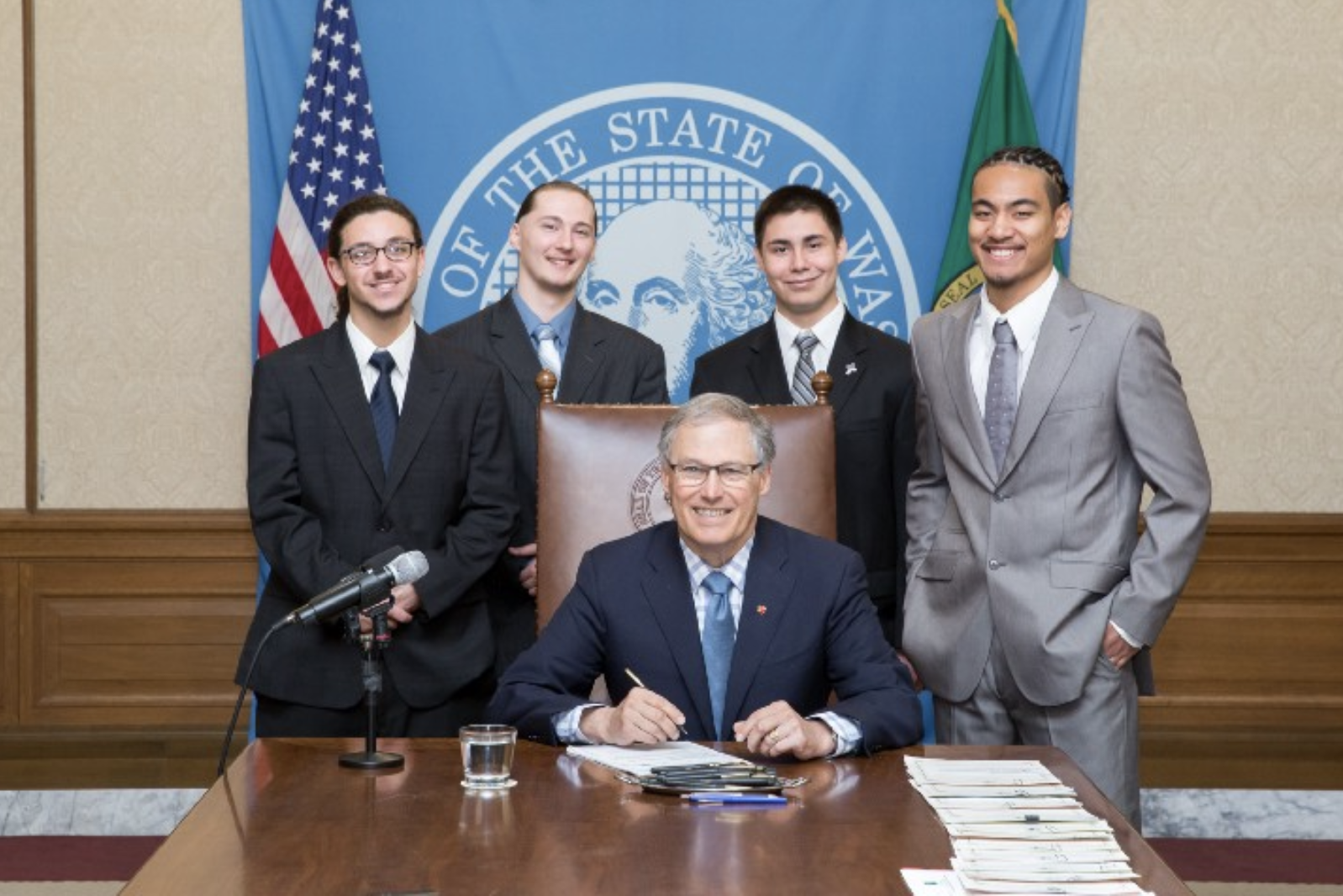
Leaders Emerge from a Washington State Youth Prison, Urging a More Just and Safe World
It was 8 a.m. in the Hotel Murano conference room in Tacoma and like any good host, 23-year-old Aaron Toleafoa understood his mandate: wake up the crowd.
“How’s everybody feeling today?” he asked the guests who were gathered for the Coalition for Juvenile Justice’s annual Youth Summit. “Good, good. For everybody who’s not from Washington, y’all enjoy this town over here? It’s my hometown, so you better like it.”
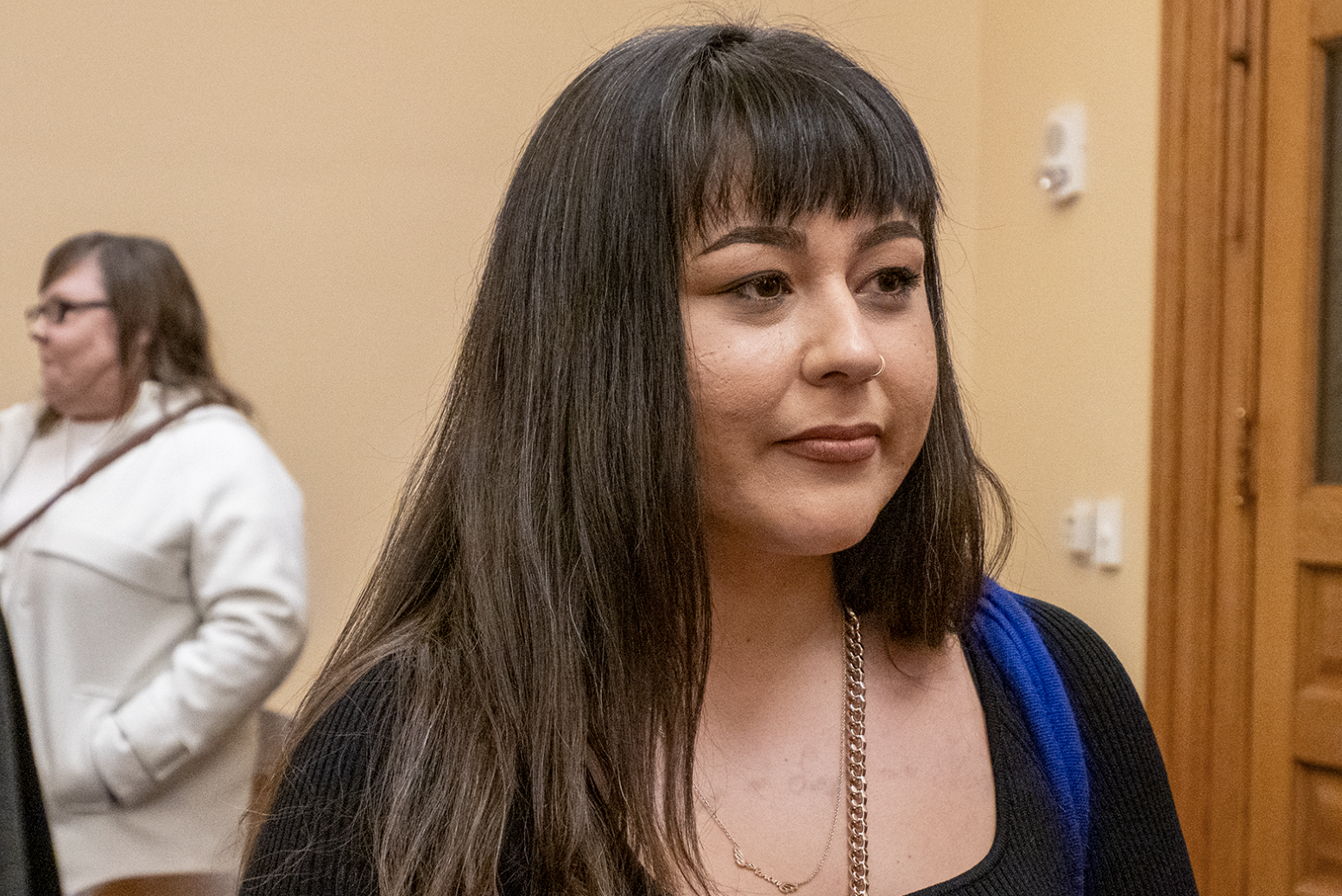
TOPEKA — Gov. Laura Kelly signed legislation making Kansas the first state to implement a program enabling children 16 years or older in the foster care system to select an adult to form a legal permanent relationship with rather than follow the standard pathways of family reunification, adoption or appointment of a guardian.
Kansas to allow foster care teens to choose, form legal mentor relationships with trusted adults
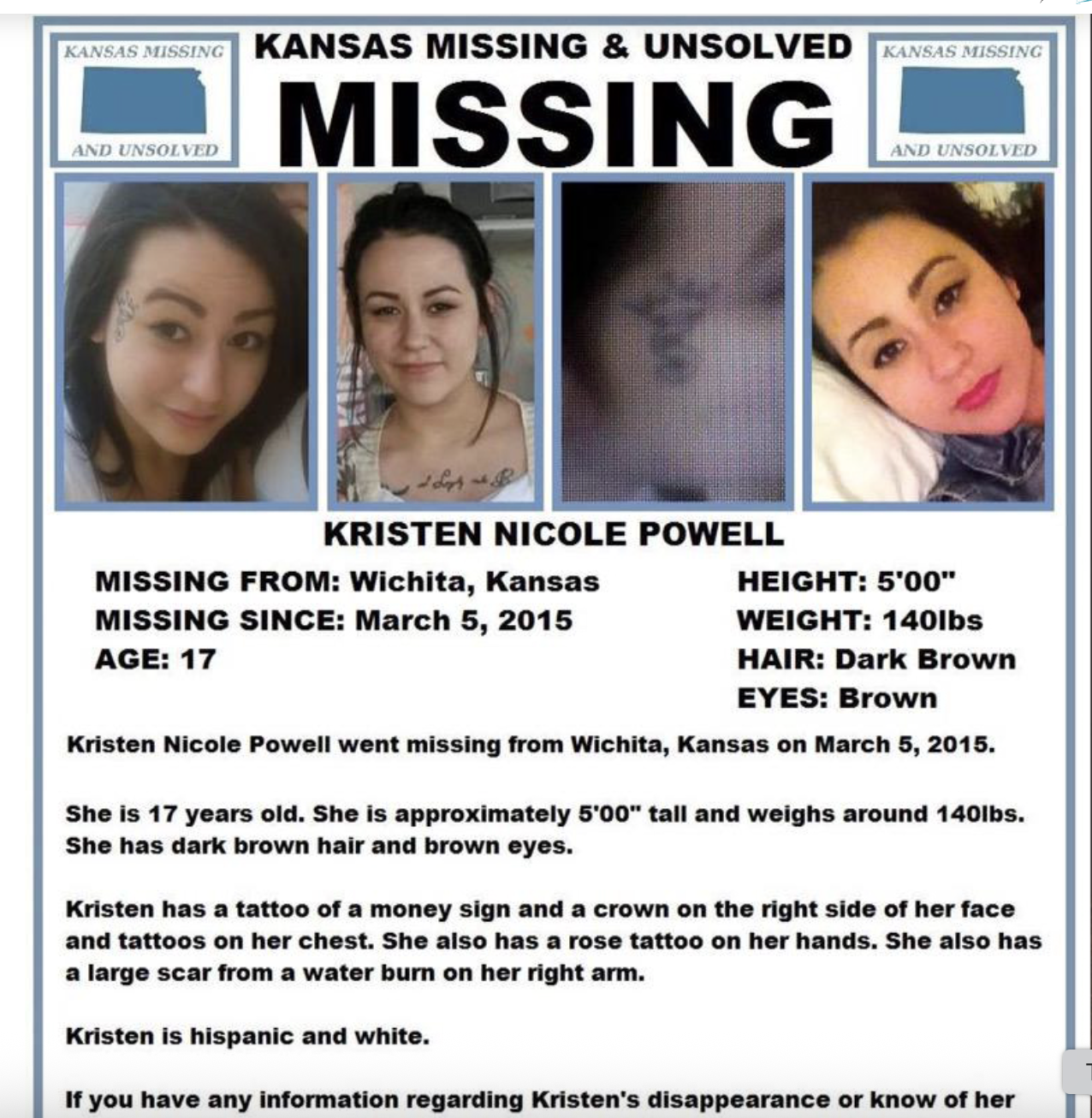
Behind the tinted windows of a Greyhound bus rolling down the over 600 miles of highway between Wichita, Kansas and San Antonio, Texas, sat then-15-year-old Kristen Powell, with little more than a bus ticket. Although she was on the way to see her mother, Lisa, posters of the teen smiling for the camera would soon appear across the internet, labeling her a runaway.
How a Little-Known Legal Loophole Punishes Girls Who Don’t Behave
Watch & Listen
Season 2 Episode 1
Kristen’s Story
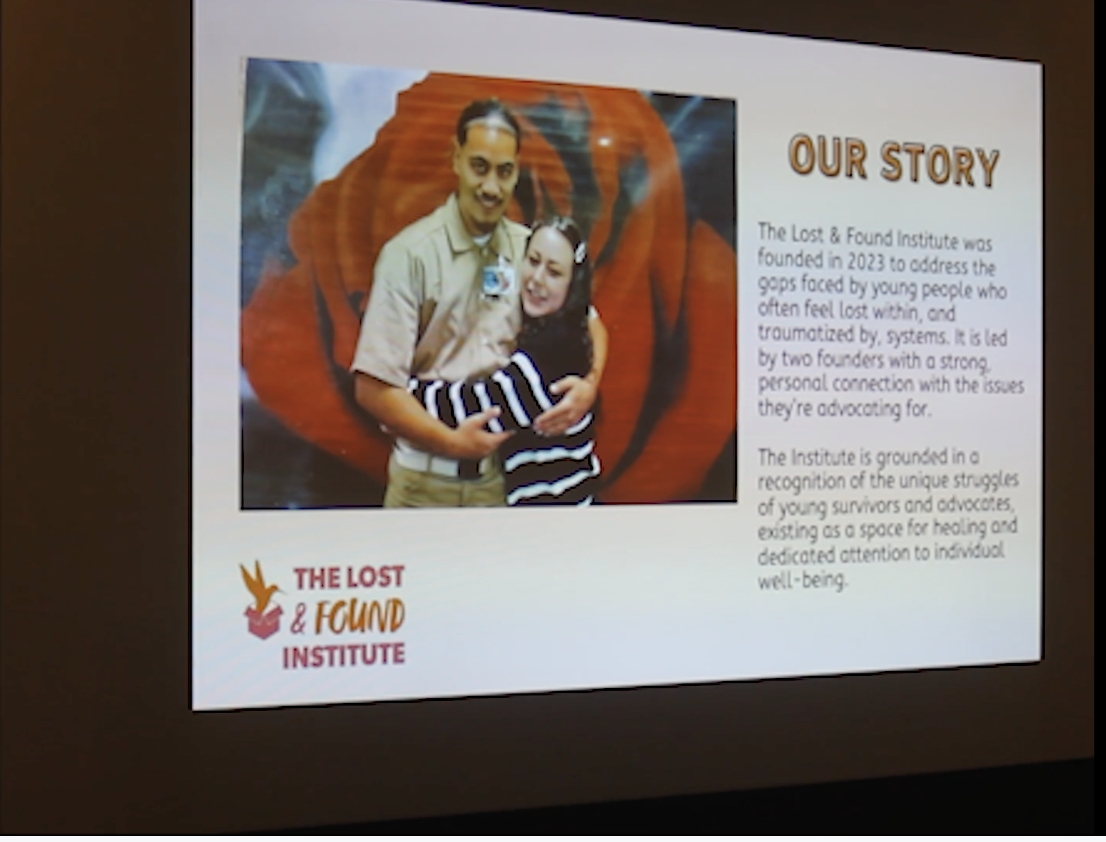
In this episode, Kristen shares her journey from surviving trafficking and years in the juvenile justice and child welfare systems to co‑founding an organization dedicated to healing for people with lived experience. Kristen spent her youth cycling through juvenile detention, group homes, and foster care, living in constant survival mode. As an adult, she poured herself into advocacy for others while quietly carrying unprocessed trauma. Her breaking point led to a powerful realization: survivors need space to heal as much as they need a platform to speak. Through the Lost and Found Institute, Kristen creates those spaces—where healing, leadership, and self‑discovery go hand in hand.
Debt Free Justice Q&A
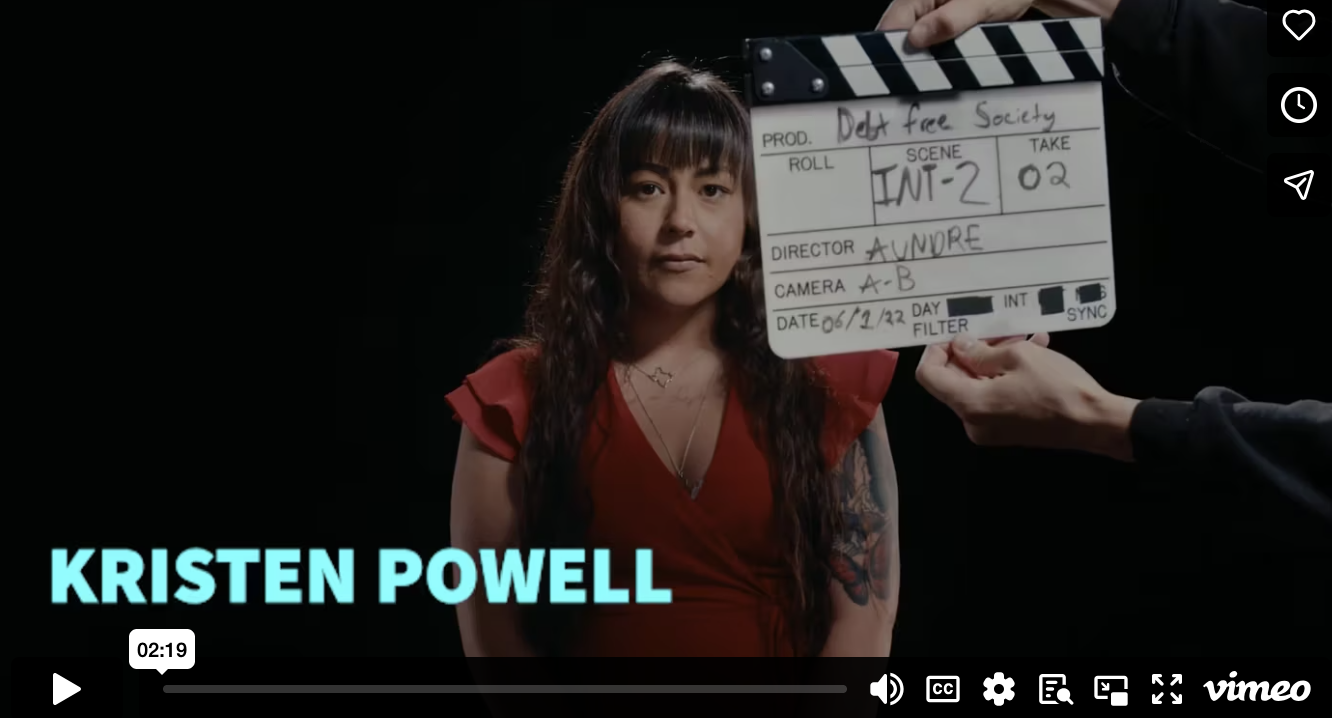
Kristen Powell entered the justice system for the first time when she was 13 years old after she ran away from home to escape a difficult situation. Once, she left her 72-hour hold with an older girl she’d met at a children’s home, and unwittingly entered into a violent and abusive circle of sex trafficking. Kristen was penalized and charged because authorities wanted her to testify against the person who victimized her.
Kristen Nicole Powell KATA 2024
Kansas Art Therapy Association Conference 2024
Wichita Kansas, Creative Bliss @ City Arts
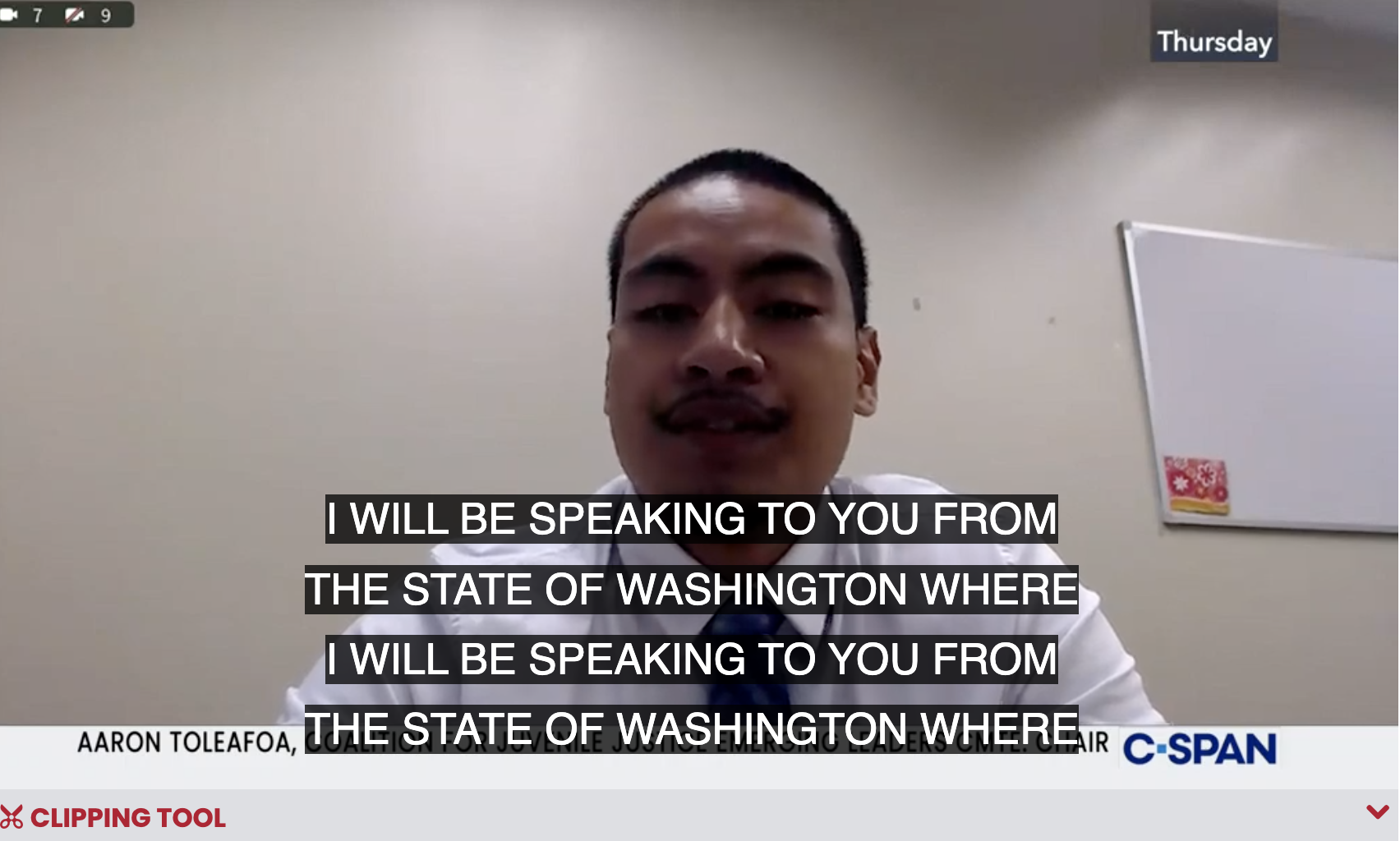
House Hearing on the American Juvenile Justice System
The House Judiciary Subcommittee on Crime, Terrorism and Homeland Security held a hearing with legal and justice reform experts on the American juvenile justice system. The witnesses answered questions on several topics, including children and youth being housed in adult prisons, the impact of trauma on juvenile offenders, abolishing life in prison sentencing for minors, the need for proactive rehabilitation, and the importance to recognize and engage with at-risk youth to show them a different path forward.
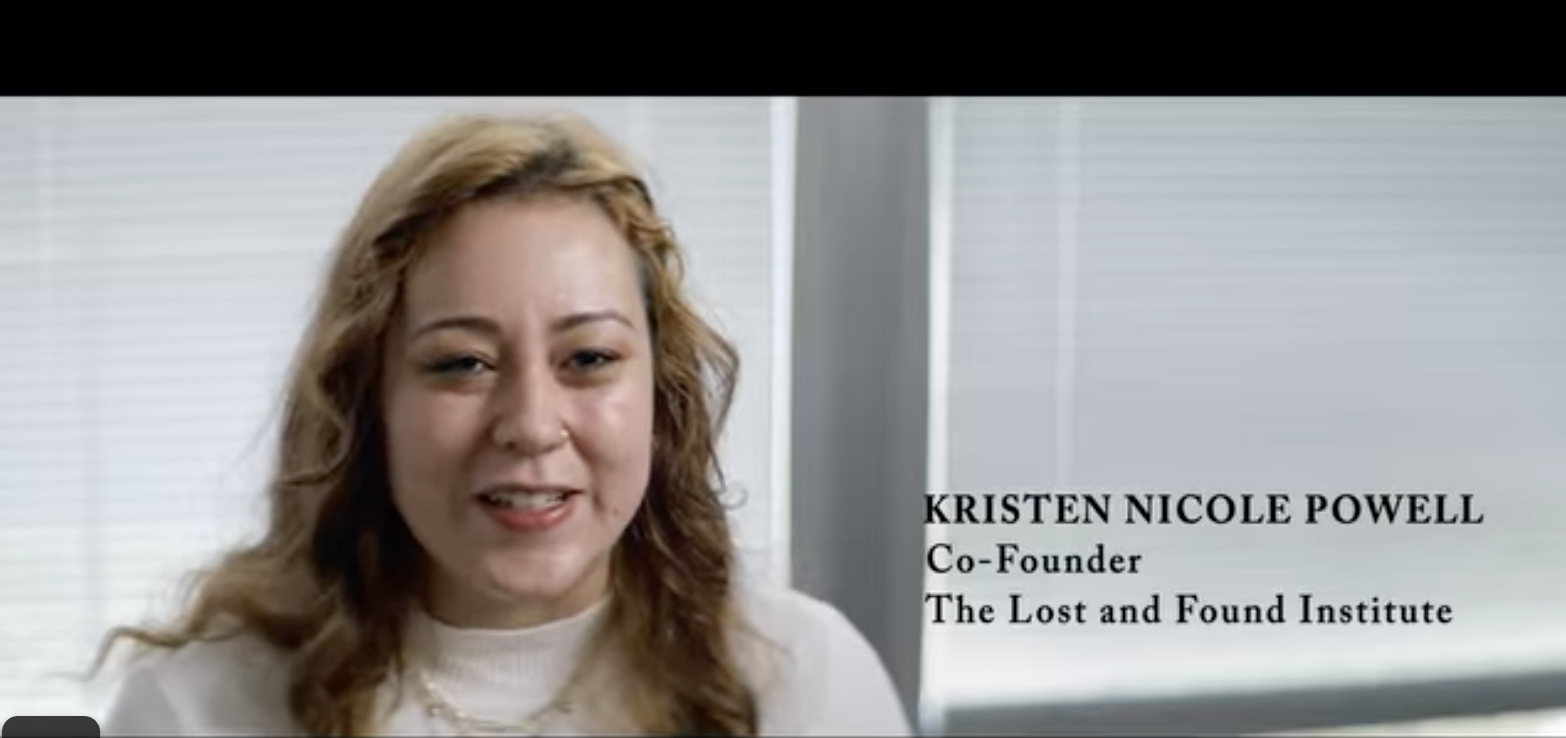
Kristen's Story by StormDoor Productions Early Look
The Willow is partnering with Christie Scanlin Dobson and StormDoor Productions on her film, Kristen's Story. Kristen Nicole Powell’s story is one of resilience shaped by painful cycles of trauma. Trapped in the revolving door of the juvenile justice system, foster care, and human trafficking, she endured a constant cycle, with little support to break free. A system failure that left her vulnerable and isolated. Despite these hardships, Kristen has found strength in sharing her story, using her voice to advocate for the need for healing, support, and systemic change to end the cycles of harm. You will also hear from our Director of Communications about how the Willow serves survivors of human trafficking.
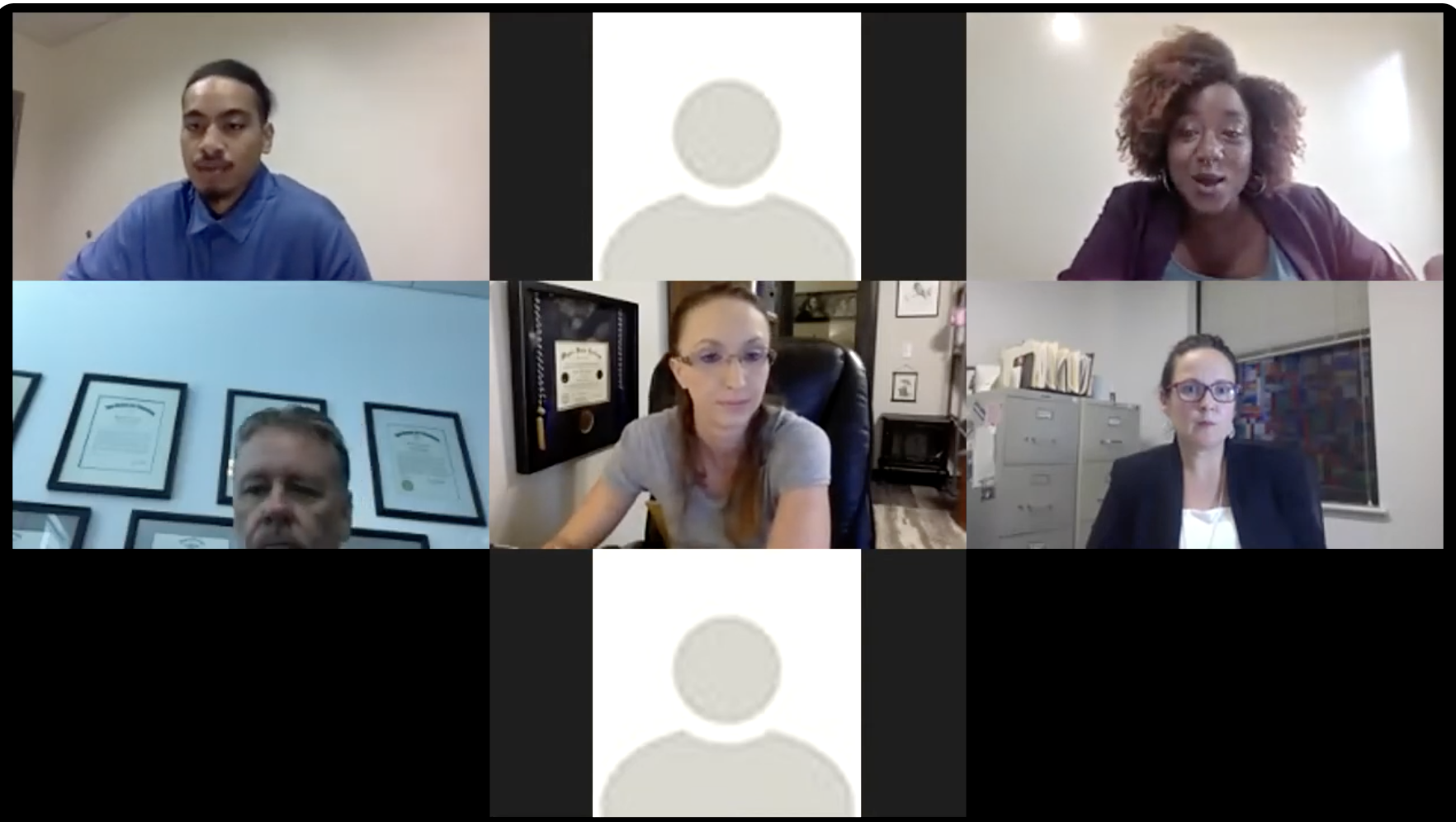
Blueprint Webinar Series-Juvenile Justice & Homelessness: The Role of Poverty in Youth Incarceration
Each year, over 1 million youth will have some involvement with law enforcement or the justice system. Nearly 400,000 will be on their own and homeless for some period of time. This discussion delves into two key principles laid out in The Justice Collaborative's Blueprint: treat kids like kids and stop making poverty a crime.